Quality Standards In Steel And Fabrication Projects

A successful project built with metal depends on a foundation of clear quality standards. These guidelines are the blueprint for strength, safety, and longevity, turning design concepts into reliable structures and components. Adhering to rigorous protocols throughout the process of steel and fabrication ensures the final result meets every expectation.
Material verification:
It all begins with the raw steel. Quality standards demand strict verification of material grades and certifications. Each piece of steel should have documentation proving its composition and properties match the project specifications. This step prevents substandard material from entering the workflow, which could lead to premature failure.
Precise cutting and shaping:
Accuracy in the initial stages is vital. Modern methods like computer controlled cutting guarantee components are shaped to exact dimensions. Consistent, clean cuts ensure parts fit together perfectly during assembly. This precision reduces waste, saves time, and forms the basis for a sound structure.
Expert welding practices:
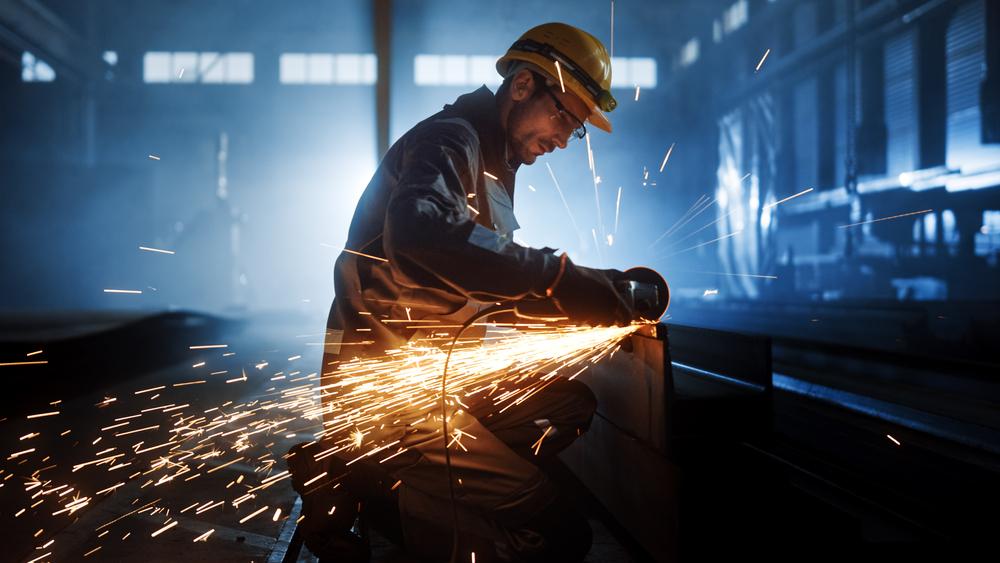
Welding is the heart of fabrication. Quality is defined by skilled welders following qualified procedures. Every weld must be consistent, free of defects, and visually inspected. For important applications, further testing like ultrasonic examination checks the internal integrity of the weld, confirming its strength.
Rigorous fit up and assembly:
Before final welding, components are carefully fitted and temporarily secured. This stage allows for verification of alignment and geometry. Checking dimensions at this point corrects small errors, ensuring the final assembly is square, level, and perfectly aligned according to the design drawings.
Surface preparation and protection:
A durable finish relies on proper surface treatment. Steel must be cleaned of mill scale, rust, and contaminants. The application of primers and paints or other coatings follows specified methods to achieve the correct thickness. This protection fights corrosion, extending the service life of the project for years.
Final inspection and documentation:
A complete project review is the last checkpoint. Inspectors compare the finished product against all drawings and specifications. They also compile a package of documentation, including material certificates and weld reports. This record provides a full history of compliance and quality for the client.
Following these core standards is the best way to guarantee a project’s integrity. It builds confidence for everyone involved, delivering a final product that is safe, functional, and built to last.


More Stories
How To Whiten Teeth With Braces Or Aligners Without Spots
Teeth whitening can help brighten your smile and boost your confidence. However, if you have braces or aligners, you may...
Commercial Office Fit Out Risk Management – Spotting Problems Before They Escalate
Construction zones usually buzz with energy but shifting from a shell to a functional workspace carries hidden traps. Small oversights...
What Men’s Tailors Wish Their Clients Understood Before Coming In
A tailoring appointment works best when both sides come prepared. The tailor brings the skill, the tools, and the years...
How To Choose The Right Nail Color For Your Mood And Personality
Treating your hands to a new glow is a fun celebration of who you are. Your fingers project a certain...
From Pop-Up To Permanent – How Small Coffee Shops Are Making It Big
Small businesses often begin with a single cart or a tiny stall on a busy street corner. These humble beginnings...
Tips On Designing The Ultimate Outdoor Bar For Entertaining
Tired of juggling drinks and struggling for seating at your backyard parties? It might be time to upgrade your entertainment...